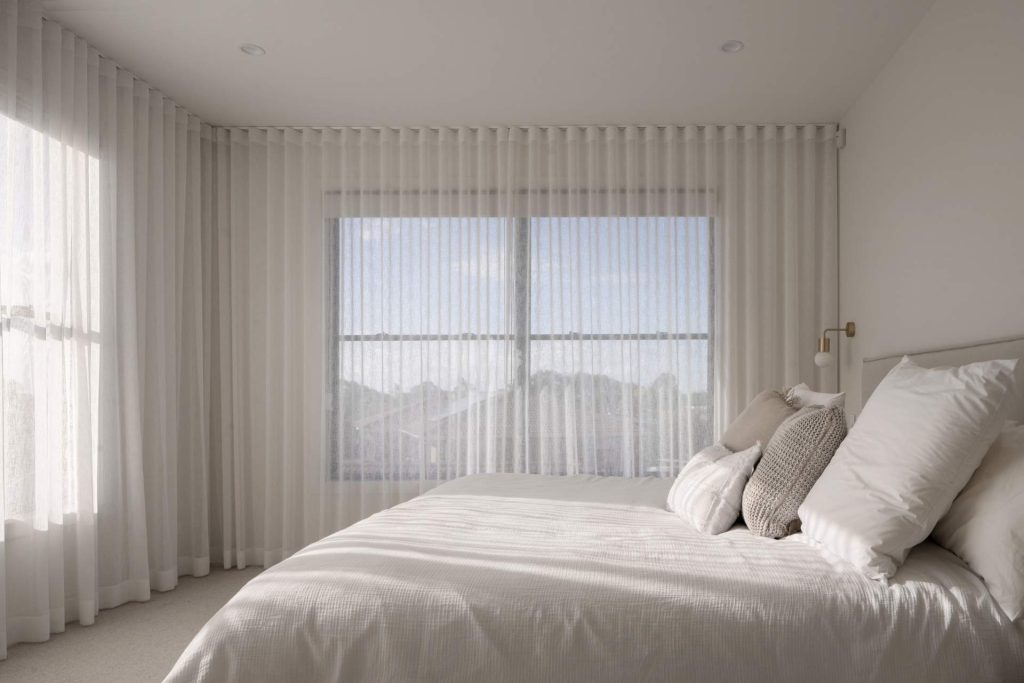
The decision to buy fabric by the metre is a process of design, in which a flat length of textile transforms into something that moves, whether it's the graceful drape of a curtain or the fluid shape of an outfit. Yet, the journey from the beginning of a bolt to the final product is not without risk due to mistakes that could be made because window treatments and clothing have very different specifications. This guide explores more than just fibre content, and is focused on the important aspects that can separate a successful design from a flop. We'll look into the tactile science of fabric behaviour, the regional shopping knowledge of the West Midlands, and the crucial conversations you need to be having with your material and maker. Understanding these layers will allow you to pick the ideal metres for your intended purpose.
Check out the top 10 things you need to know.
1. The Drape Dichotomy Curtains need Architecture. Dresses require Kinetics.
The most important difference is movement. Curtain fabric has to be capable of "remember the architecture". It must fall into graceful folds that are stable (like structured wool or heavylinen) and retain its shape when it is in the gravity. Dress fabric requires "kinetic grace" that is, it has to move with your body, recovering from stretch and compression without wrinkles (like fluid crepes or soft jersey). Do not just touch fabric while in a shop. Instead, crunch the edge of it using your fist. A quality curtain will fall slowly, but hold onto the ghost of a crumple. A high-quality material for dresses will bounce back swiftly and resist the crease.
2. How to shine your fabric metres.
It is a important but also personal test. Don't buy curtain fabric by the yard without first seeing a large (at least A3) sample that has been taped to an open window. You should observe the way sunlight in the morning bleaches colors while midday light exposes the real fabric's texture, and evening artificial lighting. Dress fabric can be held in a shop with a fluorescent lighting or outside, if you can. The colour of a fabric that is vibrant and vivid indoors will look flat and dull when exposed to daylight.
3. The Selvedge Decoder Ring unlocking hidden fabric Intelligence.
A data strip is the woven edge on fabric bolts. For upholstery or curtain fabric, a selvedge is branded with the brand's name collection and other important certifications like fire retardancy (look out for BS5867-2). Selvedges on dress fabric reveal the finishing process. A smooth and dense edge suggests a premium fabric. The staff at the Lichfield shop can examine the selvedge and explain why it's there.
4. The Shrinkage Sovereignty: Pre-Washing is an unassailable legal requirement.
This isn't the most elegant way to achieve professional results. Pre-washing and pressing dress fabrics by the metre is required for all but dry-clean only wools and silks. This "sanctifies" the metre and allows all shrinkage prior to a single cut. This is not the case for curtains The key is to account for professional cleaning methods. Discuss with your curtain maker--they typically include "fullness" and header allowances to accommodate future very little shrinkage, specifically for natural fibres like linens derived from a Walsall value bolt.
5. The Pattern Matching Calculus: The Secret Metreage Multiplier
Ignoring a beautiful patterned fabric can increase the needed amount of metreage. Calculate using pattern repeats instead of length, for both dresses and curtains. In order to make a pair or custom curtains, you must cut the panels in such a way that the pattern is horizontal from the join until the point at which it ends. Strategic cutting can be required to create a complete metre when placing a large flower motif on the bodice of a dress. Birmingham's specialty shops can calculate the amount for you. Smaller Walsall shops might think you're aware of this.
6. Curtain Fabric to act as an Environmental Mediator: The Acoustic and Thermal Layer.
Selecting curtain fabrics by the metre can be an excellent choice for your surroundings. Wools that are heavy or triple-weave act as thermal mass, which is able to withstand the cold and heat as well as acoustic dampeners, softening the echo of a room. A light-weight voile is merely the lightest diffuser. This kind of function isn't crucial for dress fabrics. Fabrics for dress are more about micro-climates (wicking, breathability). If you're shopping in Birmingham's specialist upholstery fabric warehouses, ask specifically about a fabric's "thermal mass" or "acoustic density"--terms they'll be able to comprehend for theatre or hotel work, but which apply well to a Victorian bay window.
7. Local Shop Specialism Spectrum. What fabric intelligence is available where?
The West Midlands is a great location to begin your search. For complex dressesmaking fabrics (silks, technical jerseys, haute couture wools) Look for Lichfield's carefully selected independents, where the employees are likely garment-makers themselves. Birmingham's wholesale markets and warehouses offer curtain and upholstery fabrics by the millimeter. The specifications include weight quantity, volume, technical information, and more. Walsall stores offer a range of domestics, with a particular focus on the value of dress cottons. Walsall's value shops and Lichfield's boutiques that focus on dress are not the best choice for purchasing delicate velvet or heavy furniture in Lichfield.
8. The "Railroading Revelation", a curtain maker's secrets for seamless width.
The old method of joining panels vertically creates visible seams for large windows. This advanced method involves "railroading" that is made using fabrics with a pattern that runs parallel to the selvedge. Then, you can make a cut from the width. This produces a seamless drop of fabric that has widths that are as long as the fabric's length typically 3 meters. This isn't possible with all patterns. If you're in Birmingham and are looking at large-scale prints for made-to measure curtains the first thing you should inquire about is "Can it be railroaded?" This method reduces vertical edges, but requires a greater attention to detail.
9. The Handle Versus Drape Paradox when it comes to Dress Fabric
"Handle" Handle, the tactile feeling as you handle the fabric"Handle", the feeling you get when you touch it, and "drape", the way it falls under the weight of your body. These aren't the same. A taffeta with a crisp texture will have an active hand, however a rigid, architectural curtain. Silk charmeuse that is heavy can be slippery, with a drape that is body-clinging. Request a metre of fabric to be draped over your body or a stand in the fabric shop. It's possible for a fabric to feel good in the hand but have an awful drape. This is why Birmingham market stalls that can't unwind a bolt are dangerous for making dresses.
10. The Maker's Codicil: The first conversation before buying a Single Metre.
Before you purchase fabric by the metre for an important project, have a provisional meeting with your prospective maker. A curtain maker can advise you on the fullness ratios needed (typically, 2x or 2.5x rail width) and the compatibility of linings and header varieties that impact the cut length. A dressmaker will go over the design, ease, and finish of seams. The consultation, which may include a Lichfield sewing expert or Walsall curtain maker, will make sure you get the most of your beautiful metres. This turns a single purchase into a collaborative first step. See the most popular curtain fabric for website advice including tie backs for curtains, curtain poles and curtains, curtains at the window, curtains blinds, hole in the wall curtains walsall, curtains & fabrics, curtains uk, made to measure blinds, curtains at the window, curtain fabric shop near me and more.

Creative Designing Dress Fabrics Can Give Your Customized Curtains A Unique Twist
The world of curtain fabrics, while vast, operates within a defined set of standards including durability, weight and the management of light. It's not an easy replacement, but a creative act to use dress fabrics for custom-made curtains. This crossover uses the intricate patterns, colours palettes and fluid drapes of textiles for clothing in order to give windows a personality that is unattainable with standard furnishings. However, this is not an easy, risk-free option. It requires an in-depth understanding of material science, innovative design, and strategic acquisition. This guide outlines ten crucial ideas to effectively reinvent dress fabric into drapery. From the haute couture fabrics found in a Lichfield shop, to the flamboyant cottons that are found in Birmingham's market.
The Ten Things You Must Be Educated About:
1. The Structural enhancement Imperative - Dress Fabric is not a standalone, but a component.
The dress fabric on its own is seldom enough to create an effective drape. Its primary function is the stunning "face." It must be combined with an invisible architectural structure. It's best to use neutral calico for the underlining (called 'underlining in dressmaking') to give body and opacity prior to applying a standard interlining and inner. The three-layer sandwich stabilises the lighter, more elastic dress fabric. It also prevents stress on seams and allows for the fabric to hang like furniture material. A curtain maker familiar with this technique is essential; many in Walsall or Birmingham's workrooms might hesitate, but a Lichfield-recommended artisan, versed in delicate cloth, will understand.
2. The Sunlight and Sanctuary Test: Prioritising North-Facing or Low-Light Windows.
The most efficient designs are those in rooms in which the fabric is shielded from prolonged, direct solar assault. A reading nook that faces north, a bedroom with windows that are shaded, or an interior bathroom are all ideal options. Silk taffeta or viscose that has a print on it, placed in a south-facing bay is sure to trigger a quick slow, painful fade. It is important to consider the geographical location of your project before you enter a fabric shop. The search can be narrowed to limit your search to fabrics that can be used in a shelter.
3. The Lichfield Loophole: Exploiting End-of-Bolt Designer Remnants.
Lichfield is the place to go for shopping for fabrics. The top-quality fabric for dresses is usually sold in bolt ends of 3 to 5 metres, which are not enough for a dress but is perfect for a statement window or pair of curtains for cafes. These remnants of European or Liberty mills are available in exclusive designs with a price that is affordable. These remnants are often employed for smaller projects like a dresser's canopy or skirts, in contrast to long curtains.
4. The Width Mismatch Calc: Embracing the Seam as Design Feature.
The dress fabric is generally 115cm or 140cm wider, which is narrower than standard curtain fabric (137cm or 150cm). To attain the desired level of fullness (2.5xrail width) there will be more vertical seams will be needed. You might consider highlighting them rather than covering them. Utilize contrasting upholstery fabrics or piping to create a panelled look. This creates a layered, couture look that echoes the seams of a tailored jacket.
5. The "Upholstery Fabric Partnership": A Coherent Hybrid.
The sheerness of draped curtains made of dress fabric is captivating. However, combining them with upholstery fabric gives the curtains a more sturdier appearance. Fabrics for dress can be used to create accents, for example the gathered hem or the leading edge or a layering Valance (valance) over the main curtains made of a strong, solid wool or cotton. This approach allows you to utilize a lesser, more affordable amount of a beautiful dress fabric (a couple of metres from Birmingham's Rag Market) while gaining the thermal and light blocking properties of a proper upholstery fabric. It creates an interesting conversation between the delicate and the substantial.
6. The formal spectrum to the fluid: Matching fabric type to the style of curtains.
There aren't all dress fabrics compatible with all curtain styles. Determine the purpose of the dress to the purpose of the curtain. The flat-pleated curtain with sharp edges is best made of a brocade, dupion, or a structured silk fabric. The fluid crepe or jersey used for flowing dresses is great for "puddled" loosely gathered curtains, which have an organic, relaxed drape. In Birmingham vendors, they may only see fabric in metre lengths. But in Lichfield there is a chance to discuss the "drape coefficient," and how it affects the head of the curtain and the construction of the curtain.
7. The Care Cycle Conundrum Plan for Delicate Maintenance
Curtains made of dress fabric cannot be designed to "set and forget". Their cleaning and care are an important aspect of the story. You could opt to employ professional steaming instead of washing. Make use of the gentle vacuum cleaner and the toothbrush attachment. Alternate them according to the seasons. This decision must be deliberate right from the beginning. When you are looking for cleaning products, ask about it when you shop. A Walsall store might offer advice regarding practicality, while a Lichfield shop may talk about the patina that naturally develops on silks and natural linens over time to become an attribute.
8. Birmingham Market Foray in Birmingham. Are you looking for theatrical or Heavier Dress Cloth.
Birmingham is one of the cities known for its massive markets, but there are also stalls dedicated to fabrics for historical reenactment as well as theatre. You will find there heavy-duty fabrics, such as velvets made to be used in coats and cloaks as well as woolen twills that are heavy or nets densely embroidered. These are fabrics that are sturdy and possess the body needed for curtains. There is no need to add structural support. The Birmingham excursion becomes a treasure hunt for dresses that are exceptionally robust.
9. The Header and Hardware Harmony: Choosing the Right Top Treatment.
Curtains should have a head that complements the fabric. A large, stiff pinch pleat could ruin a delicate chiffon. Instead, opt for a simple, gathered header on a slim pole, or a hidden tab-top for an ethereal feel. For a heavier, dress-jacquard with a classic pleat, the triple pleat is the best option. Consult with your designer about this decision *before* buying fabric. The length of the cut is affected and so are the tension points. The Walsall workroom could use standard tape. You should help them towards an easier finishing.
10. The Narrative Integration: Let the fabric stories determine the mood in the room.
This is a fundamental decision regarding narrative. The vivid African wax-print fabric that was used to make this curtain (found in some Birmingham markets), tells the story of colour and energy from around the globe. Linen curtains fashioned from remnants from Lichfield, originally intended to be worn as summer clothes, have an old-fashioned elegance. This style goes beyond decor. The window treatment is required to be meaningful. A screen that had been cut from a bolt of fabric that was labeled dress material has been transformed into the form of a portrait.